Day 14: Thinking About Death

Today’s practice was 32 minutes, done at night. I could not stretch it to 40 minutes because I still needed time to get ready for bed, and I did not want to rush the end of the session. The practice itself was different from the previous days. Instead of trying to focus on nothing, I chose to intentionally focus on the idea of death, which is something I have been wanting to sit with for a while.
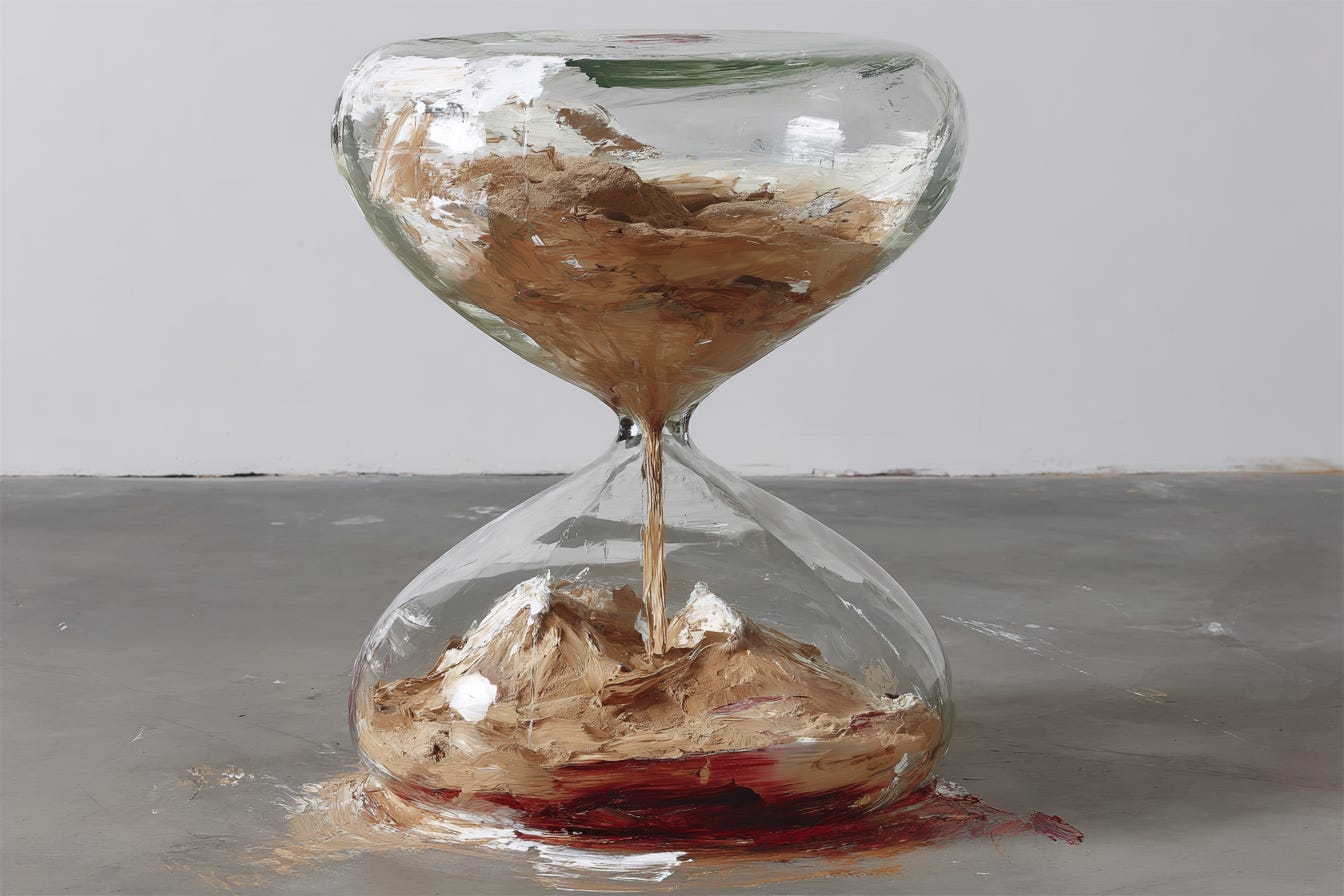
I did not approach it analytically at first. I simply thought about death and what it implies, and let the thoughts move where they wanted. Over time, they seemed to settle into a few clear phases.
The first question that came up was simple: What happens when you die?
For me, the definition that emerged was that death is the ceasing to exist.
That immediately led to another question. What exactly ceases to exist?
The first thing that came up was the joy you give to the people who love you. For your parents, your partner, your children, your presence is tied to meaning and purpose in their lives. When you cease to exist, that source of meaning is taken away. The pain of that absence feels very real even to me.
The second thing that stops is your utility to the world. There may be people who depend on you financially, emotionally, or in quieter ways that are harder to name. That support also disappears.
The third thing that ceases to exist is the idea of “you” itself. I found myself breaking that down into three parts.
The thoughts that arise in your mind.
The awareness that observes those thoughts.
And the physical body that holds both.
All of that ends.
From there, the question shifted again: What do you do with this knowledge of death?
The first, instinctive interpretation is a bleak one. If everything is going to end, then why do anything at all. Why struggle, or suffer, or try. What is the point. But that answer felt incomplete, almost lazy.
A more useful framing came from something I experienced when we decided to shut down the company. Once that decision was made, there was a strange lightness that followed. We became less reactive when reality did not match expectations. Things felt easier to accept. There was a quiet sense of peace. Still, that analogy has limits, because it played out over a relatively short period of time.
So I tried another framing: If I knew the company would shut down in one year, would I live or work differently during that year?
I think I would. I would try to enjoy more. When you know something is going to end, disturbances feel smaller. You become more patient. Mental tension starts to look oddly pointless, because it exists only for itself and does not lead anywhere.
A more personal version of the same question is harder to ignore. Would I live differently if I knew I had one year to live? What about two years? Or three or five?
Some decisions would clearly change as the timeline stretches. Certain priorities would shift. But I think certain truths - how you value peace, how you treat people, how gently you hold your expectations - would stay the same regardless of whether the horizon is one year or fifty.